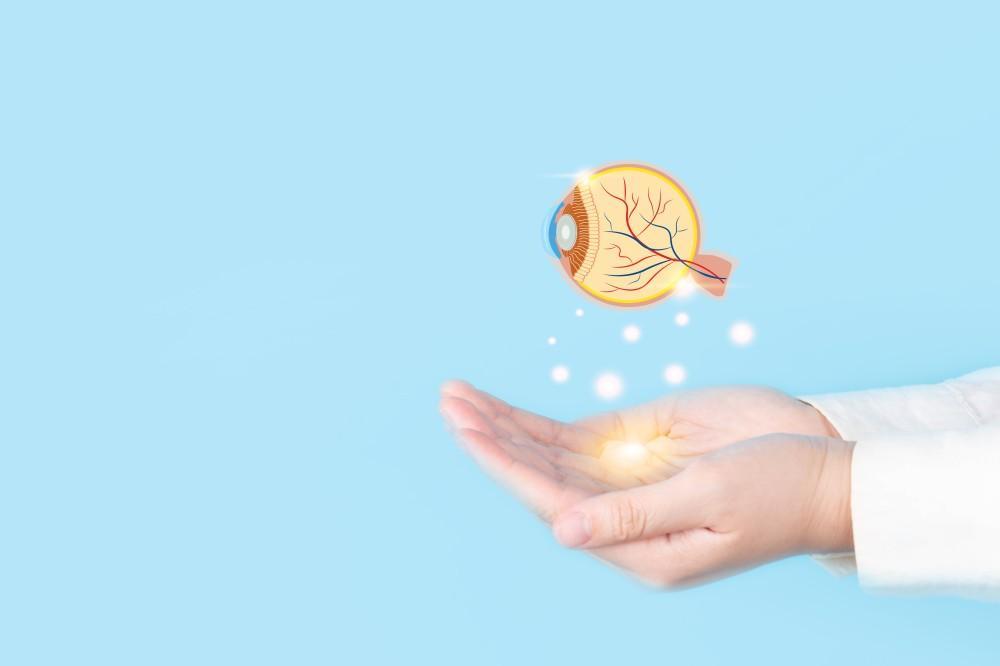
When you have diabetes, monitoring your eye health is as important as managing your blood sugar. At Stevens Eye Care, ophthalmologist Clayton Stevens, MD, provides comprehensive diabetic eye care for patients in Biloxi, Mississippi, and the surrounding Gulf Coast area.
Because diabetes-related eye conditions often develop before other symptoms appear, regular eye exams help protect your long-term vision.
There’s also a lot you can do to lower your risk of serious eye complications. A few consistent habits — combined with proactive eye care here in our state-of-the-art office — can help you stay ahead of potential problems and keep your eyes healthy for years to come.
Keep your blood sugar under control
Your eyes rely on tiny blood vessels to stay healthy. When blood sugar remains elevated over time, those delicate vessels can become damaged, increasing your risk for conditions like diabetic retinopathy, diabetic macular edema, and glaucoma.
Dr. Stevens recommends these helpful habits:
- Taking your medications as directed
- Following a diabetic-friendly nutrition plan
- Limiting sugar and processed carbohydrates
- Staying physically active
Taking care of your blood sugar and A1C is also a way to take care of your eyes.
Prioritize comprehensive eye exams
One of the biggest challenges with diabetes-related eye disease is that symptoms don’t typically appear right away. You may still see well, while early damage is already developing in your retina.
That’s why routine diabetic eye exams are so important.
During your comprehensive exam, Dr. Stevens can detect subtle changes before they begin affecting your daily vision. Our advanced diagnostic technology helps him identify conditions as early as possible (when treatment is most effective).
Pay attention to small vision changes
When you have diabetes, any changes you notice in your vision need prompt attention, even if they seem mild. Watch for symptoms like:
- Blurry vision
- Floaters
- Dark spots
- Difficulty seeing clearly at night
- Sudden vision changes
It’s easy to chalk up these symptoms to aging, fatigue, or screen time. But with diabetes, changes in your vision are warning signs you shouldn’t ignore.
Support your eyes with healthy daily habits
Your everyday routine can make a big impact on your eye health. Try these these simple, but effective measures:
- Wearing sunglasses when you're outside
- Staying hydrated throughout the day
- Managing your blood pressure and cholesterol
- Avoiding smoking
If you spend long hours looking at screens, regular breaks can also help reduce digital eye strain and fatigue. Small habits may not seem dramatic in the moment, but over months and years, they add up to healthier eyes and better long-term vision.
Early detection makes a difference
Having diabetes does not mean that you’ll automatically develop serious vision problems. We can help you manage many diabetes-related eye conditions successfully when they’re found as early as possible.
Routine eye exams allow Dr. Stevens to monitor changes closely and recommend treatment before vision loss occurs. Early intervention can help preserve your sight and reduce the risk of long-term complications.
If you have diabetes and it’s been a while since your last eye exam, now is the perfect time to schedule one. Call 228-285-7474 or schedule an appointment online.