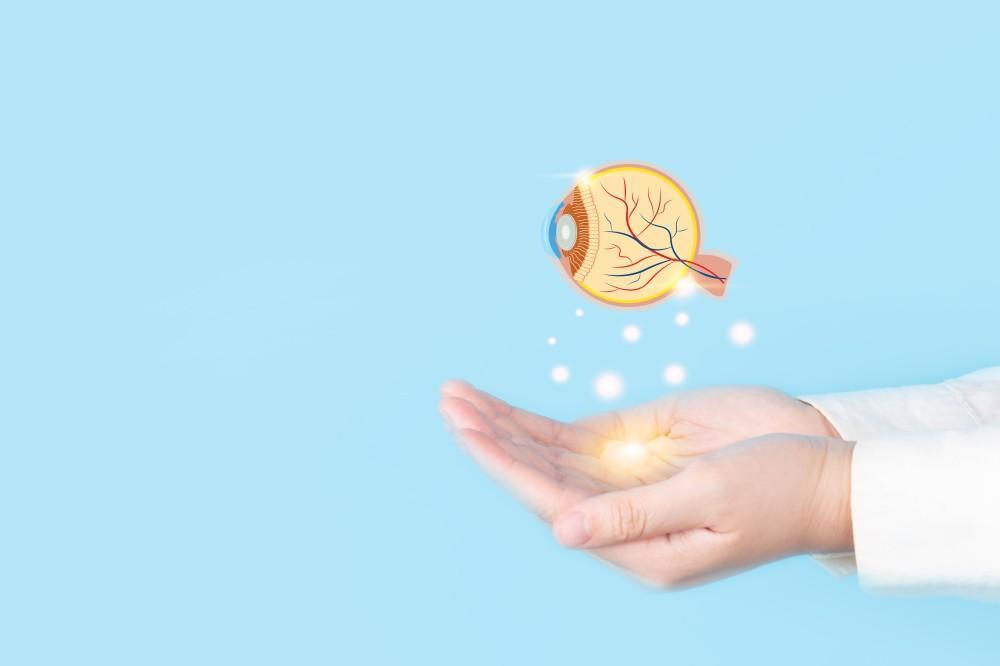
Though eye flashers and floaters are common, especially after age 50, in some cases they could indicate a more serious condition. Understanding how these visual effects develop can help you get prompt treatment to rule out serious eye problems.
Are you struggling with dry, gritty eyes? Discover how we provide advanced, personalized dry eye relief to restore your comfort and protect your vision.
Living with geographic atrophy can be overwhelming, but the right strategies make a big difference. Discover seven practical tips to protect your vision and maintain your independence.
Cataract surgery isn't just about restoring vision. It's about reclaiming your independence and protecting your brain health. Discover how modern lens technology can help you see clearly again.
Sudden eye pain isn’t something to ignore. Learn which symptoms may signal a serious eye condition, when to seek immediate care, and how prompt treatment can protect your vision.
Diabetes can affect your vision long before symptoms appear. Learn simple ways to protect your eyes and lower your risk of diabetes-related eye disease.
Do you keep hoping your dry eye situation will resolve on its own? Learn why your symptoms are lingering and how the right treatment can bring lasting relief.
Glaucoma is often called the “silent thief of sight” because symptoms can be easy to miss. Knowing the early warning signs can help you take action and protect your vision before lasting damage occurs.
Are you living with diabetes? Blurry vision could be a sign of diabetic macular edema. Learn what that is, how we treat it, and why early eye care matters for protecting your eyesight.
The new year is the perfect time to focus on your vision. From routine eye exams to managing common eye conditions, discover why prioritizing your eye health now can protect your sight for years to come.
It’s National Diabetes Month, so it’s the perfect time to learn how diabetes affects your eyes and how you can preserve your vision. Here’s what you need to know.
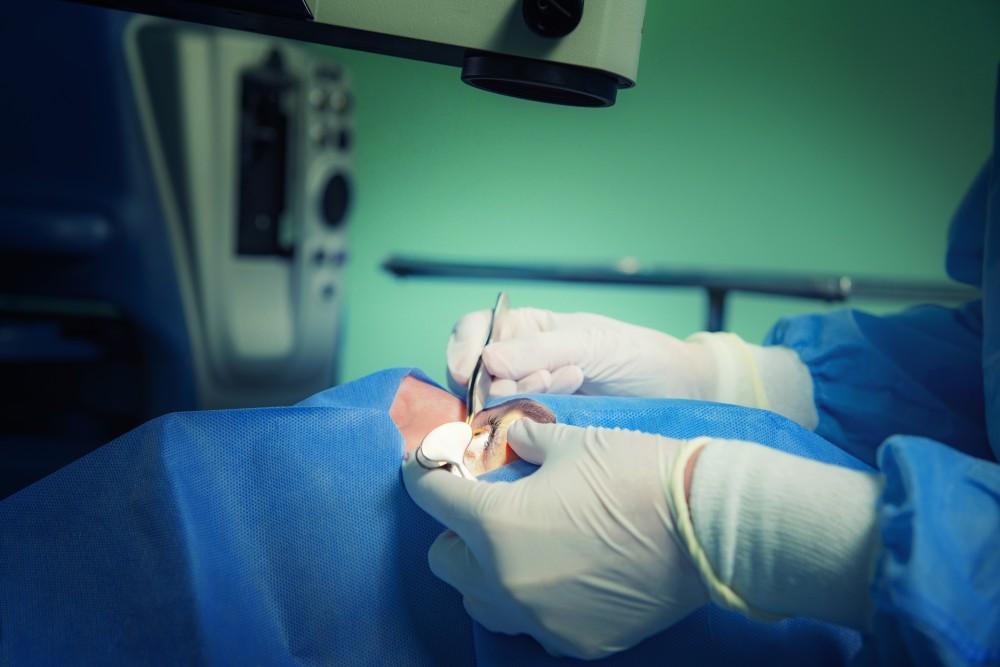
If you live long enough, you’ll likely develop cataracts, clumps of proteins that make the natural lens in your eye cloudy. Cataract surgery is safe, effective, and one of the most common vision-restoring surgeries performed.